
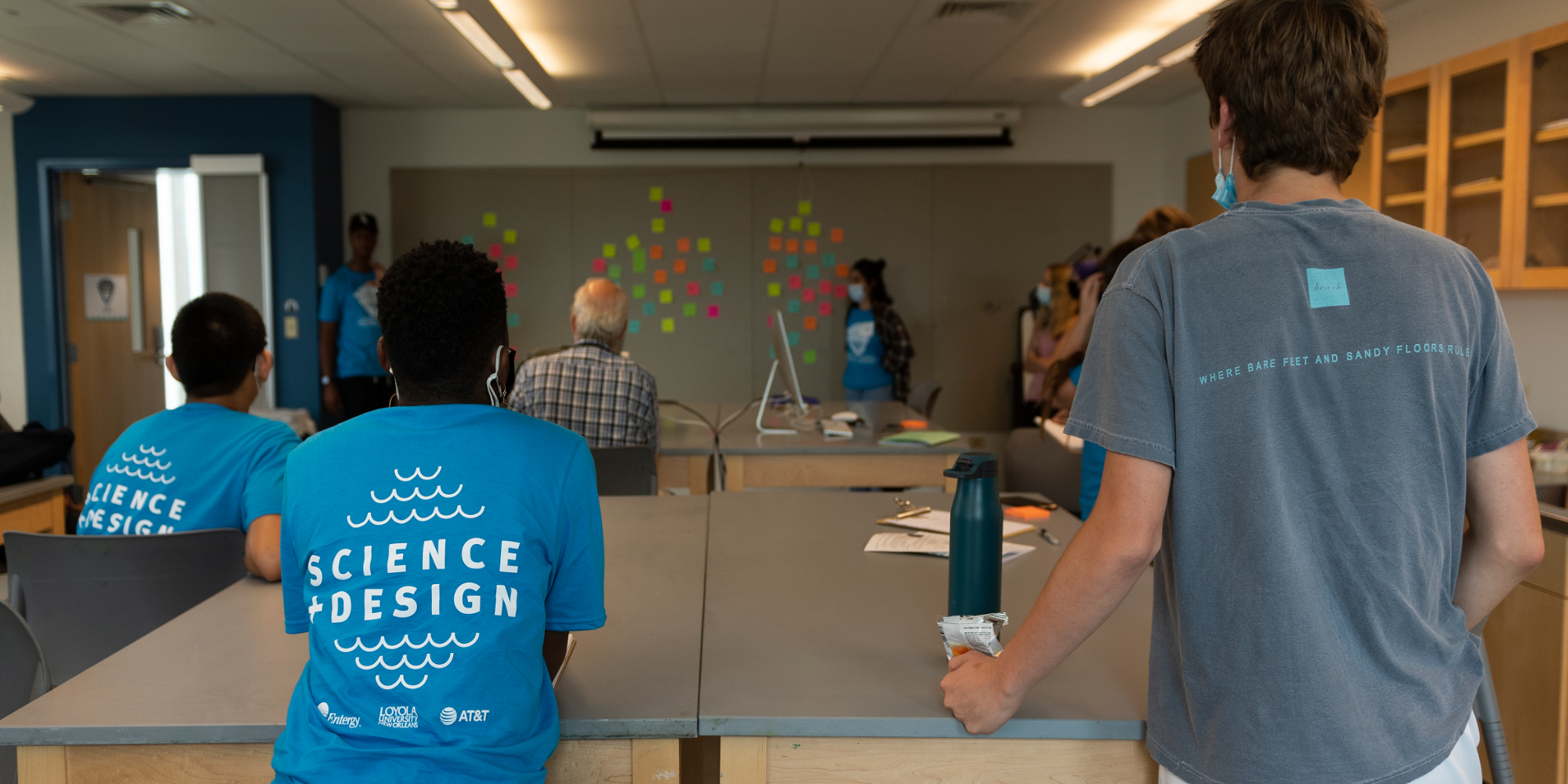
Design Thinking
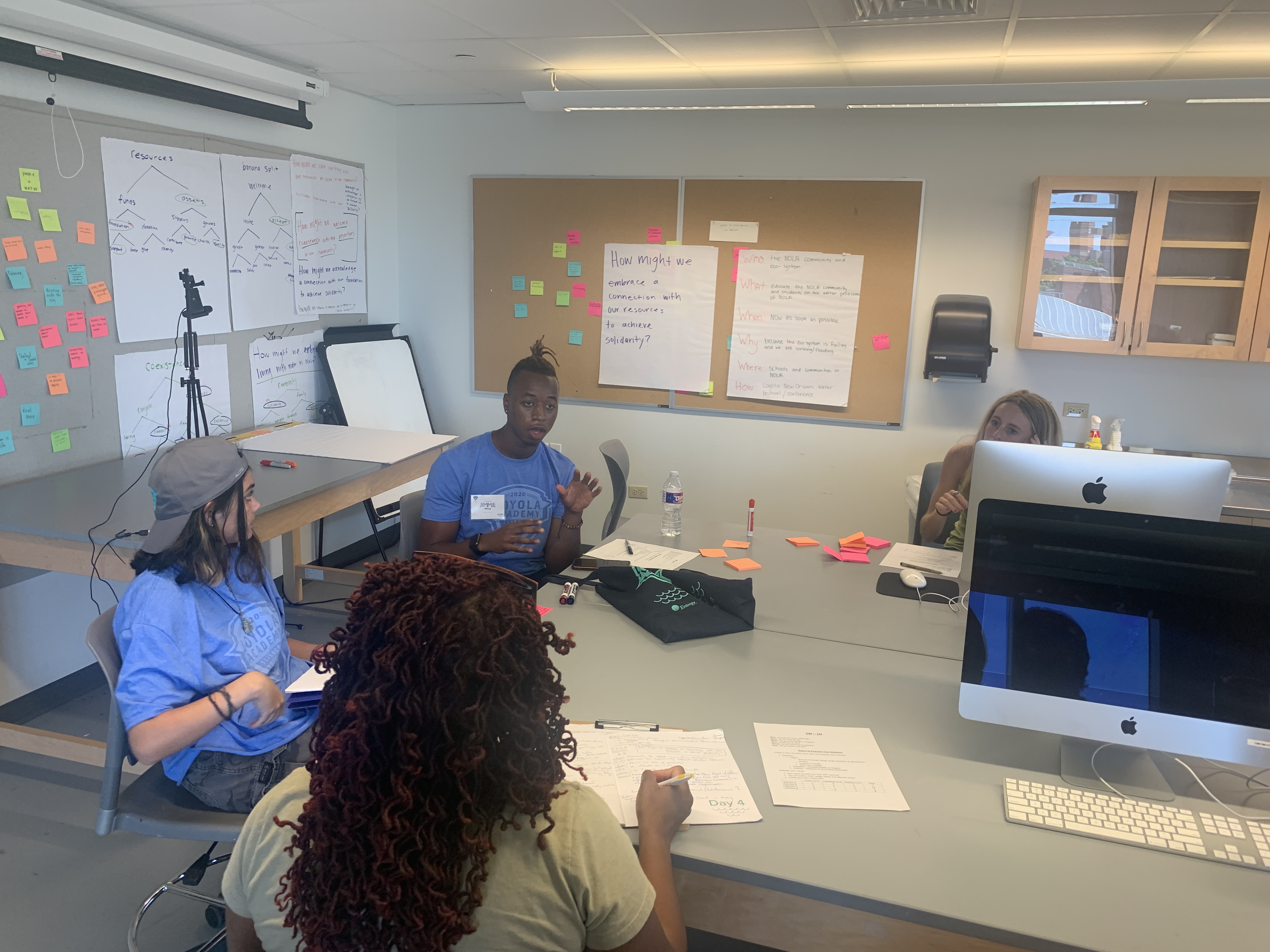
Design Thinking is a non-linear, creative and critical thinking process which seeks to understand users, challenge assumption, redefine problems, and create innovative solutions to prototype and text.
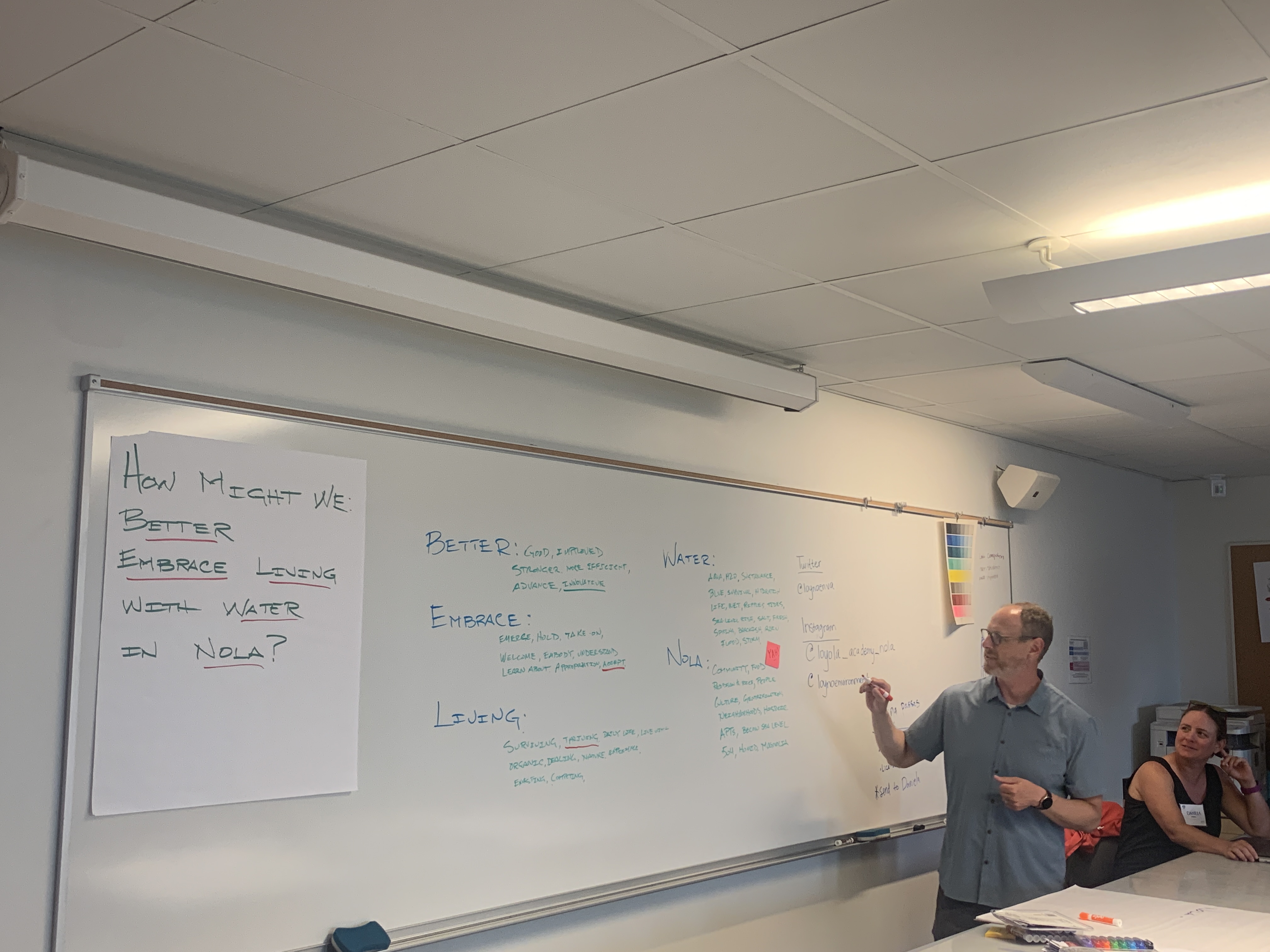
Define Problem: Empathy
- Issues with problem.
- Who is user/audience?
- Determine successes/benefits.
- Establish a glossary of terms.
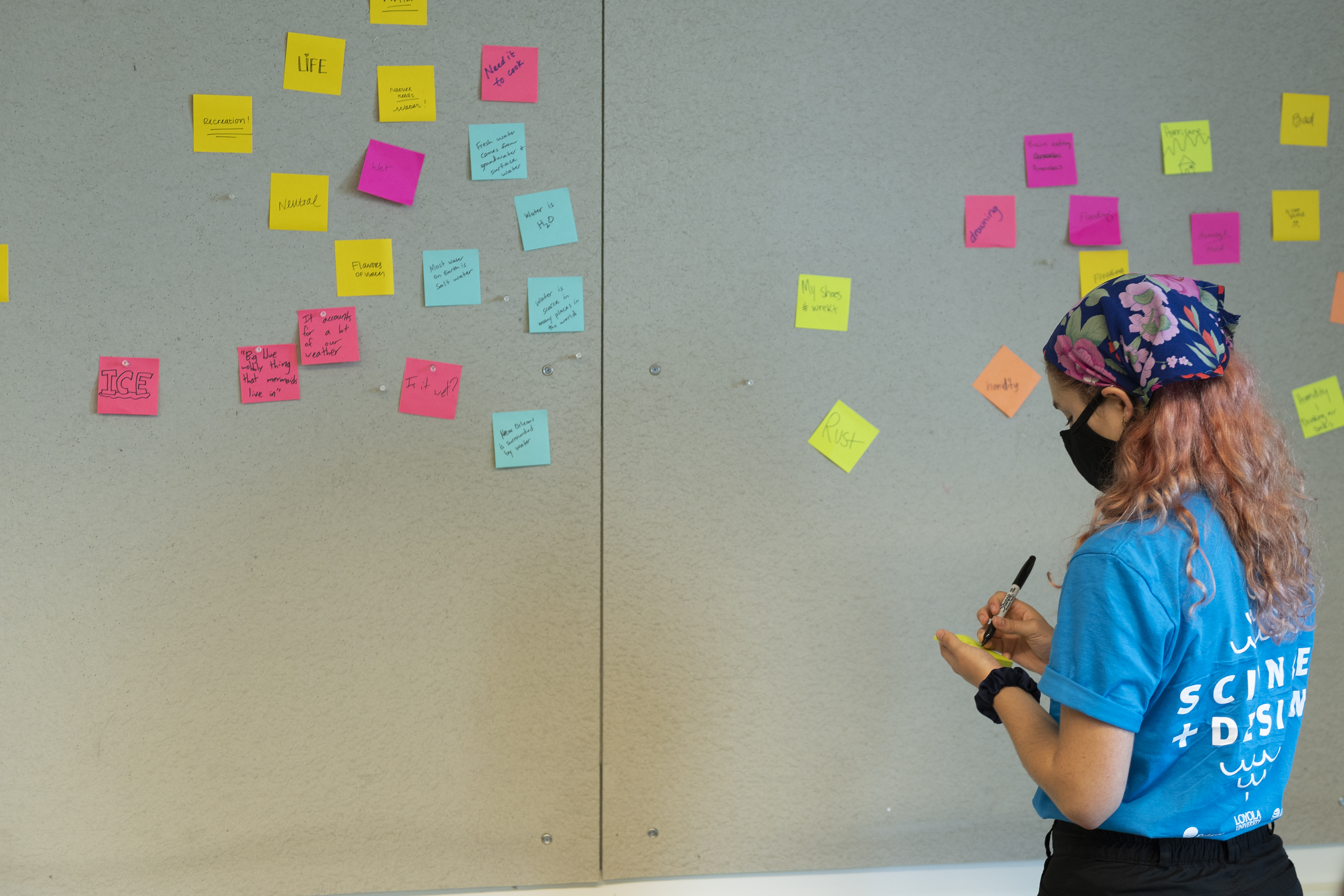
Research
- Review the history of the issue and remember any existing obstacles.
- Collect examples of other attempts to solve the same issue.
- Note the project supporters, investors, and critics.
- Talk to your target audience because that brings you the most fruitful ideas for later design.
- Take into account thought leaders' opinions.

Execute
- Identify the needs and motivations of your end-users.
- Generate as many ideas as possible to serve these identified needs.
- Log your brainstorming session.
- Do not judge or debate ideas.
- During brainstorming have one conversation at a time.
- Combine, expand, and refine ideas.
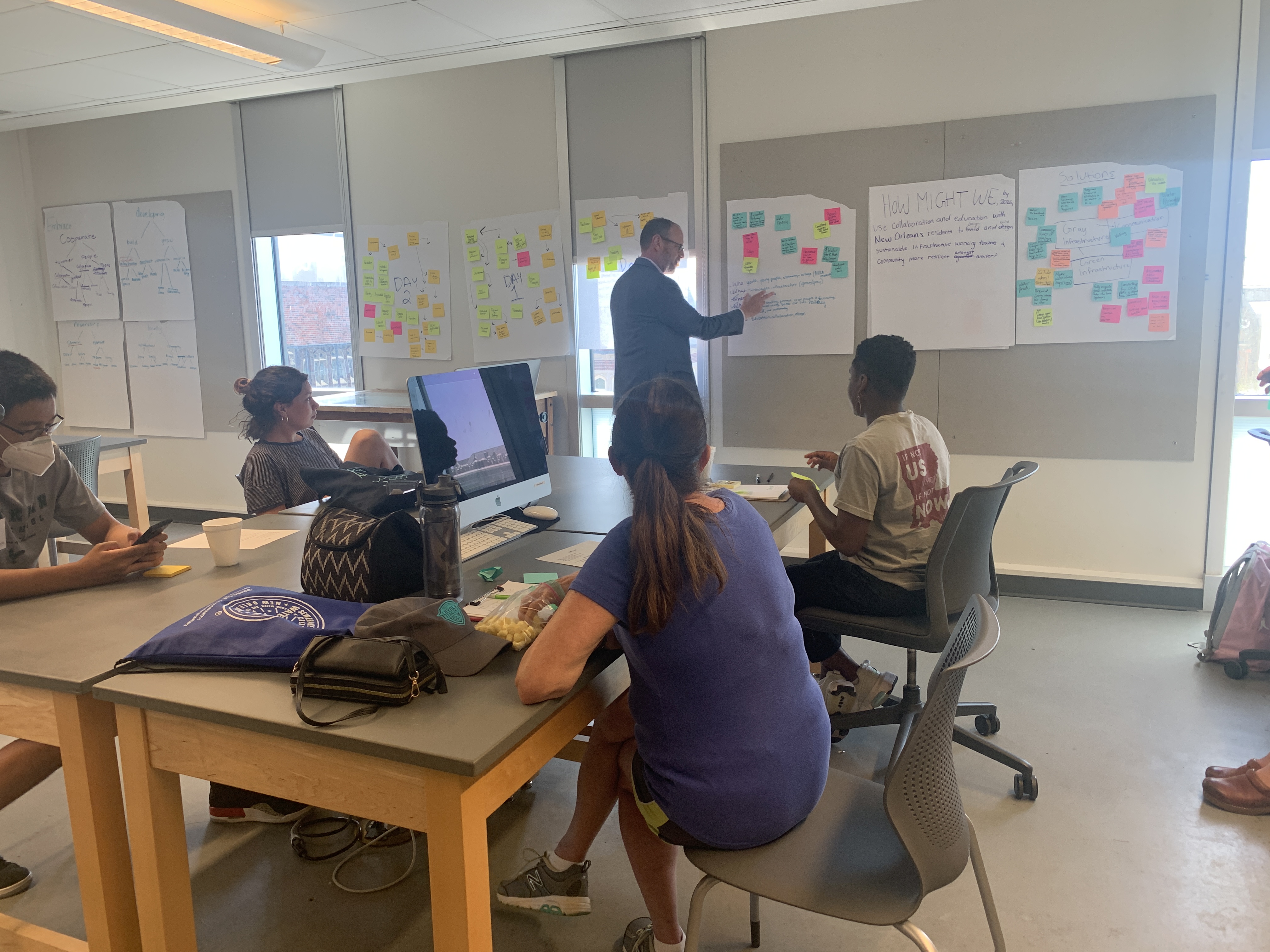
Refine
- Review the objective.
- Set aside emotion and ownership of ideas.
- Avoid consensus thinking.
- Remember: the most practical solution isn't always the best.
- Select the powerful designs.
- Refine refine refine (repeat).
Reflect
- Gather feedback.
- Determine if the solution met its goals.
- Discuss what could be improved.
- Measure success/collect data.
- Document.